

Have you ever wondered who uses hydroponics and why it’s becoming so popular? Whether you’re curious about growing your own fresh veggies at home or looking for innovative farming methods, hydroponics might be the answer.
This soil-free growing technique is changing how plants are cultivated everywhere—from small apartments to large commercial farms. If you want to discover who benefits most from hydroponics and how it could fit into your life, keep reading. Your next gardening adventure might be closer than you think.

Credit: www.alamy.com
Hydroponics In Urban Farming
Urban farming has grown fast in cities worldwide. Hydroponics supports this growth by using less space and water. It helps people grow fresh food in tight city spots. Hydroponics allows farming without soil, perfect for urban areas. Many city dwellers use it to produce vegetables and herbs at home or in community spaces.
Rooftop And Vertical Gardens
Rooftops provide extra space for growing plants. Hydroponic systems fit well on rooftops. They use vertical setups to grow many plants in small areas. Vertical gardens save ground space and increase plant numbers. City buildings often have unused rooftops ideal for these gardens. This method brings greenery to urban areas and improves air quality.
Community Farming Projects
Communities use hydroponics to grow food together. These projects build connections and improve local food access. Hydroponics helps grow plants faster and cleaner than soil farming. Many neighborhoods create shared spaces with hydroponic beds. These farms teach people about growing food and healthy eating. Community hydroponics supports local food and reduces transport costs.
Commercial Agriculture Benefits
Hydroponics offers many benefits for commercial agriculture. It allows farmers to grow crops efficiently and sustainably. This method uses less water and land than traditional farming. It also helps produce healthier plants faster. Commercial growers can meet high demand with better control over growing conditions.
High-yield Crop Production
Hydroponics supports high-yield crop production. Plants grow directly in nutrient-rich water, which speeds growth. Controlled environments reduce pests and diseases. This means fewer losses and more healthy crops. Farmers can grow more food on less land. The result is higher profits and less waste.
Year-round Harvesting
Hydroponic systems allow year-round harvesting. Indoor setups use artificial lights to mimic sunlight. This keeps plants growing regardless of the season. Farmers avoid crop failures caused by weather changes. Continuous harvests provide steady income and supply. Consumers get fresh produce every month of the year.
Hydroponics In Research And Education
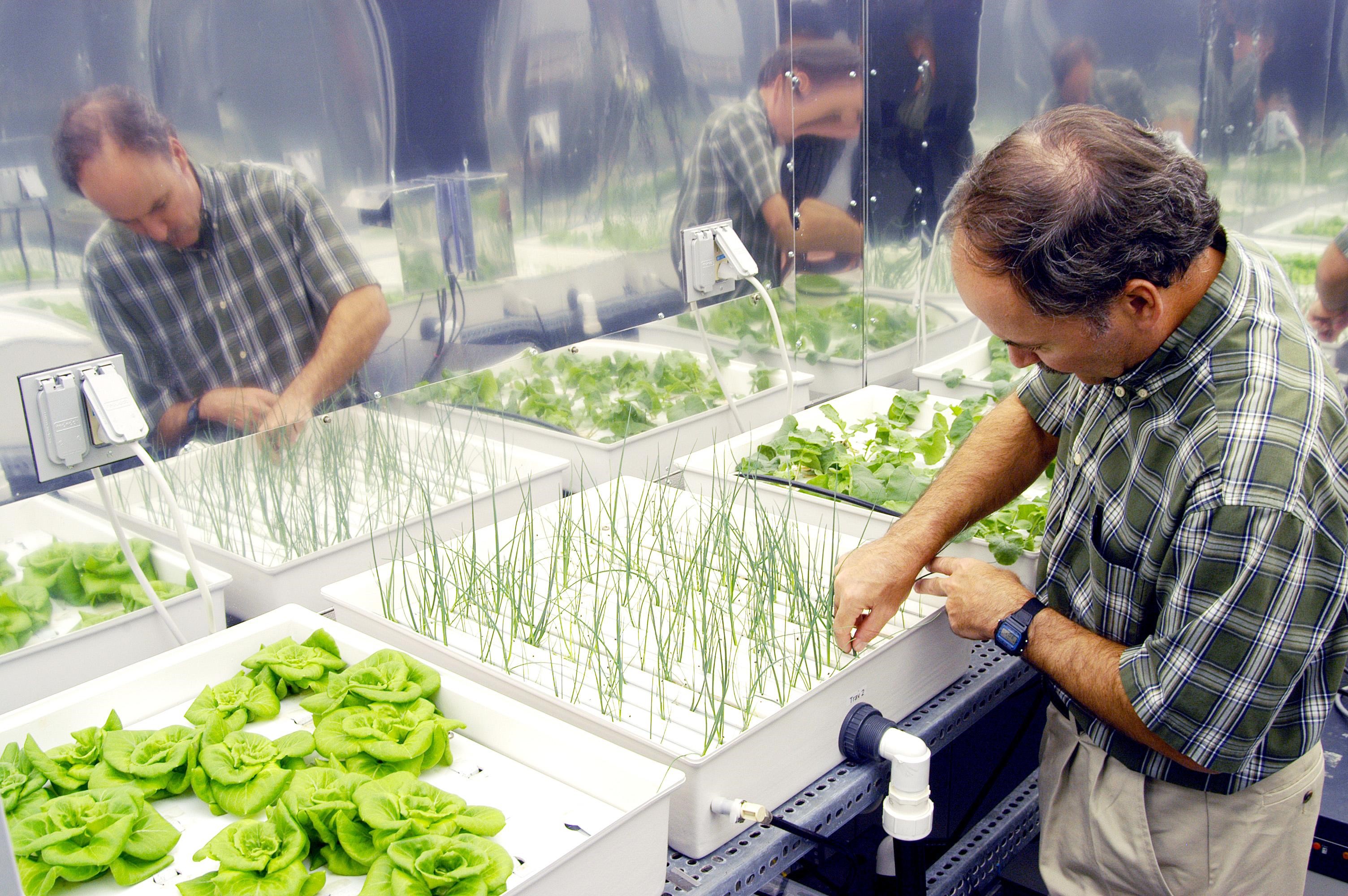
Hydroponics plays a vital role in research and education. It helps scientists and students study plant growth without soil. This method offers a clean and controlled environment. Researchers can test different nutrients and growing conditions. It also helps in understanding plant biology and improving crop yields.
Agricultural Innovation Centers
Agricultural innovation centers use hydroponics to develop new farming techniques. These centers test sustainable methods to save water and space. They explore ways to grow crops faster and healthier. Hydroponics allows precise control over nutrients and environment. This helps create solutions for urban farming and food security.
School And University Programs
Schools and universities include hydroponics in their science programs. Students learn how plants grow without soil. They gain hands-on experience with technology and biology. Hydroponics teaches important skills like problem-solving and observation. It also inspires interest in agriculture and environmental science careers.
Credit: en.wikipedia.org
Use In Space And Controlled Environments
Hydroponics plays a key role in space and controlled environments. Growing plants without soil suits places with limited resources. It helps provide fresh food where traditional farming is impossible. Controlled systems manage water, light, and nutrients precisely. This method supports long-term missions and closed ecosystems.
Nasa And Space Missions
NASA uses hydroponics for space travel research. It grows vegetables aboard the International Space Station. Plants supply fresh oxygen and food for astronauts. Hydroponics saves space and reduces water use. Experiments test plant growth under zero gravity. Results help plan future missions to Mars and beyond.
Biosphere Projects
Biosphere projects create self-sustaining ecosystems on Earth. Hydroponics helps grow food inside sealed environments. These projects study life support for space colonies. They recycle water and nutrients in closed loops. This research improves food security and resource use. Biospheres mimic conditions astronauts might face in space.
Hydroponics In Hospitality And Restaurants
Hydroponics is gaining popularity in the hospitality and restaurant industry. It helps chefs and owners grow fresh produce right on-site. This method uses water and nutrients instead of soil. It saves space and provides clean, pesticide-free plants. Many restaurants use hydroponics to offer fresher food and unique dining experiences.
Farm-to-table Concepts
Hydroponics fits perfectly with farm-to-table ideas. Restaurants can grow their own vegetables and herbs. This cuts down the time from harvest to plate. Food tastes better and keeps more nutrients. Guests enjoy meals made with ingredients grown nearby. It also shows the restaurant’s care for quality and freshness.
Fresh Herbs And Greens Supply
Fresh herbs and greens are essential in many dishes. Hydroponics provides a steady supply all year round. Chefs can pick herbs like basil, mint, and cilantro anytime. The greens stay crisp and vibrant longer than store-bought ones. This leads to better flavor and presentation in meals. Restaurants avoid waste and reduce costs by growing their own.
Specialty Crop Production
Specialty crop production uses hydroponics to grow plants that need special care. These crops often need precise conditions to thrive. Hydroponics provides a controlled environment for these plants.
This method helps farmers grow crops with higher quality and better yields. It also allows growing plants in places where soil is poor or unavailable.
Medicinal Plants
Hydroponics is perfect for growing medicinal plants. These plants need clean water and exact nutrients. Hydroponics controls these factors well.
Growers can produce herbs like aloe vera, ginseng, and cannabis. These plants stay healthy and pure without soil pests. The method also helps keep the plants free from chemicals.
Exotic And Rare Vegetables
Exotic and rare vegetables often require special conditions. Hydroponics creates the right climate and nutrient balance for these crops.
Farmers can grow vegetables like purple carrots, rainbow chard, and specialty peppers. Hydroponics helps these plants grow faster and stronger. It also makes it easier to supply these rare vegetables year-round.
Sustainable And Environmental Impact
Hydroponics offers a way to grow plants with less harm to the environment. This method uses fewer resources and helps protect nature. It supports sustainable farming by saving water and reducing chemicals. Many people choose hydroponics to lessen their impact on the planet.
Water Conservation
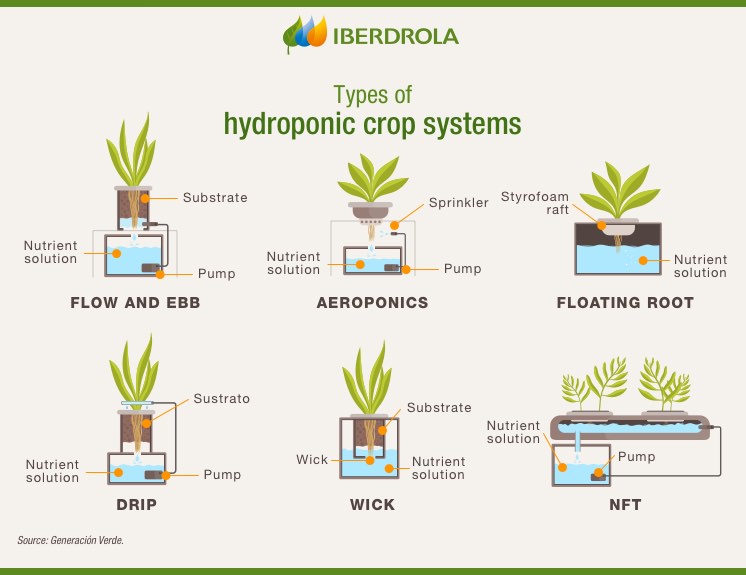
Hydroponics uses up to 90% less water than soil farming. Water recycles in the system, so plants get only what they need. This reduces waste and helps save water in dry areas. It makes farming possible where water is limited.
Reduced Pesticide Use
Plants grow in clean water and controlled spaces. This lowers the chance of pests and diseases. Farmers use fewer chemicals to keep plants healthy. Less pesticide means safer food and less pollution in the environment.
Credit: www.iberdrola.com
Frequently Asked Questions
Who Typically Uses Hydroponics Systems?
Hydroponics is used by urban farmers, commercial growers, researchers, and hobbyists. It suits those seeking efficient, soil-free plant growth.
Why Do Schools Use Hydroponics In Education?
Schools use hydroponics to teach biology and sustainability. It offers hands-on learning about plant science and technology.
How Do Commercial Farms Benefit From Hydroponics?
Commercial farms use hydroponics to grow crops faster and year-round. This method saves water and reduces pesticide use.
Can Home Gardeners Successfully Use Hydroponics?
Yes, home gardeners use hydroponics for fresh produce at home. It requires less space and offers controlled growing conditions.
Conclusion
Hydroponics suits many people and places. City dwellers grow fresh food with little space. Farmers use it to save water and soil. Schools teach kids about science and plants. Businesses produce crops faster and cleaner. Hobbyists enjoy growing plants year-round indoors.
This method helps grow food where soil is poor. It offers a smart way to farm today. Hydroponics fits different needs and skills. Anyone curious about growing plants can try it.