

A hydroponic pump timer is a versatile and practical device used to automate the watering cycle for hydroponic systems. It helps reduce energy use, performs well, and is easy to set up.
With a wide range of uses, this timer offers a convenient solution for maintaining optimal watering schedules for plants. Whether for home or office use, the hydroponic pump timer is a good helper and money saver, providing an efficient way to ensure plants receive the proper amount of water at the right times.
Additionally, it offers features such as child lock function, rechargeable battery, flame retardant housing, and optional random settings, making it a reliable and efficient tool for hydroponic gardening.
Introduction To Hydroponic Pump Timers
Discover the convenience of hydroponic pump timers, allowing precise control over watering schedules in your hydroponic system. These timers automate the water pump, ensuring optimal nutrient delivery to your plants without manual intervention. Simplify your hydroponic gardening with efficient pump timers.
In hydroponic systems, the timing and duration of water delivery are crucial for the optimal growth of plants. This is where hydroponic pump timers come into play. These timers are essential devices that automate the process of water circulation in hydroponic setups, ensuring that plants receive the right amount of water at the right time.
Why Timers Are Crucial For Hydroponics
Timers play a crucial role in hydroponics for several reasons:
- Consistent Watering Schedule: With a hydroponic pump timer, you can set a consistent watering schedule for your plants. This ensures that they receive water at regular intervals, promoting healthy growth.
- Optimal Nutrient Absorption: Timers allow for periodic watering cycles, which help prevent overwatering and ensure that plants have enough time to absorb the nutrients from the water before the next cycle.
- Energy Efficiency: By automating the water circulation process, timers help save energy by only running the pump when necessary. This not only reduces electricity costs but also contributes to a more sustainable hydroponic system.
- Prevention of Waterlogging: Overwatering can lead to waterlogging, which deprives plants of oxygen and can lead to root rot. Timers prevent excessive watering, helping to maintain a well-balanced and oxygen-rich environment for plant roots.
Types Of Timers: Digital Vs. Mechanical
When it comes to hydroponic pump timers, there are two main types: digital timers and mechanical timers. Each has its own set of features and benefits:
| Digital Timers | Mechanical Timers |
|---|---|
|
|
Both digital and mechanical timers serve the purpose of automating the water circulation process in hydroponic systems. The choice between the two depends on your specific needs, budget, and level of control you want over the watering schedule.
By incorporating a hydroponic pump timer into your setup, you can ensure consistent and efficient water delivery to your plants, leading to healthier and more productive growth. Whether you opt for a digital timer or a mechanical one, the benefits of using a timer in hydroponics are undeniable.

Credit: www.amazon.com
Setting Up Your Timer
Setting up your hydroponic pump timer is a crucial step in ensuring the success of your hydroponic system. Properly setting up the timer will help you automate the watering cycle for your plants, providing them with the right amount of water at the right times.
Initial Setup Steps
Before you begin the initial setup of your hydroponic pump timer, make sure to read the user manual provided with the timer. Familiarize yourself with the different components and functions of the timer.
Once you are familiar with the timer, follow these steps to set it up:
- Find a suitable location near your hydroponic system to place the timer.
- Ensure the timer is connected to a power source.
- Attach the pump to the timer following the manufacturer’s instructions.
- Double-check all connections to ensure they are secure.
Programming Your Timer
After the initial setup, the next step is to program your hydroponic pump timer according to your specific watering schedule. To do this, follow the instructions provided in the user manual. Typically, the programming process involves:
- Setting the current time and date on the timer.
- Programming the on and off times for the pump to control the watering cycles.
- Testing the programmed schedule to ensure the pump operates as intended.
Optimizing Watering Schedules
Optimizing watering schedules is crucial in hydroponic systems, and a hydroponic pump timer can help achieve the desired results. With features like programmable cycles and day/night detection, these timers automate the watering process, ensuring plants receive the right amount of water at the right time.
Say goodbye to manual watering and let the timer do the work for you.
Determining Watering Frequency
In order to optimize the watering schedule for your hydroponic system, it is crucial to determine the ideal frequency of watering. This will depend on various factors such as the type of plants being grown, the stage of growth, and the environmental conditions.
One way to determine the watering frequency is by monitoring the moisture level of the growing medium. Most hydroponic systems use a substrate or medium that holds water and nutrients for the plants. By regularly checking the moisture level, you can ensure that the plants are not being over or under-watered.
Adjusting Duration For Maximum Yield
Once you have determined the optimal watering frequency, the next step is to adjust the duration of each watering session. This will help maximize the yield and growth of your plants.
It is important to note that the duration of watering will vary depending on the type of plants and the growth stage. Younger plants may require shorter watering sessions, while mature plants may need longer durations to ensure proper nutrient uptake.
By observing the growth and overall health of your plants, you can make adjustments to the watering duration as needed. Keep in mind that it is better to start with shorter durations and gradually increase them if necessary, rather than overwatering the plants.
Code Example: Setting Up A Hydroponic Pump Timer
// Example code for setting up a hydroponic pump timer

// Define the watering frequency in minutes
const wateringFrequency = 60;

// Define the duration of each watering session in seconds
const wateringDuration = 30;

// Function to start the watering session
function startWatering() {
  // Code to turn on the pump and supply water to the plants
}

// Function to stop the watering session
function stopWatering() {
  // Code to turn off the pump and stop the water supply
}

// Function to schedule the watering sessions
function scheduleWatering() {
  setInterval(() => {
    startWatering();
    setTimeout(stopWatering, wateringDuration  1000);
  }, wateringFrequency  60  1000);
}

// Call the function to start scheduling the watering sessions
scheduleWatering();
By following these guidelines and using a hydroponic pump timer, you can optimize your watering schedule for maximum yield and healthy plant growth. Remember to monitor your plants closely and make adjustments as needed to ensure optimal nutrient uptake and overall plant health.

Credit: www.amazon.com
Advanced Timer Features To Consider
When it comes to hydroponic systems, having the right pump timer is crucial for efficient and automated watering. While basic timers get the job done, advanced timer features can take your hydroponic setup to the next level. In this article, we will explore some of the key advanced timer features that you should consider when choosing a hydroponic pump timer.
Weatherproofing
One important feature to consider is weatherproofing. Since hydroponic systems are often placed outdoors or in areas with high humidity, it is essential to choose a pump timer that can withstand various weather conditions. Look for timers that are specifically designed to be weatherproof, as they will be protected from moisture, rain, and other environmental factors. This ensures the longevity and durability of the timer, allowing it to function optimally in any weather.
Day And Night Detection
Another valuable feature to consider is day and night detection. This feature allows the timer to automatically adjust the watering schedule based on the time of day. During the day, the timer can be set to provide more frequent waterings to support plant growth, while at night it can reduce or pause the watering cycle to prevent overwatering. Day and night detection not only saves water but also ensures that your plants receive the right amount of hydration at the right time.
Override Switch
An override switch is a convenient feature that allows manual control over the pump timer. This means that even if the timer is set to a specific schedule, you can manually activate the pump outside of the programmed cycle. This is particularly useful in situations where you need to water your plants immediately or make adjustments to the watering schedule on the fly. The override switch provides flexibility and convenience, giving you complete control over the watering process.
These are just a few of the advanced timer features to consider when choosing a hydroponic pump timer. By selecting a timer with weatherproofing, day and night detection, and an override switch, you can optimize your hydroponic system for efficient and automated watering. Take the time to research and compare different timer options to find the one that best suits your needs and enhances the productivity of your hydroponic setup.
Troubleshooting Common Timer Issues
Troubleshooting common timer issues with your hydroponic pump can be a frustrating experience. Some common issues include incorrect timing, power outages, and mechanical issues. To avoid these problems, make sure to properly set up and maintain your timer, and consider investing in a high-quality digital timer for more precise control.
Solving Programming Errors
Programming errors can occur when setting up a hydroponic pump timer, leading to incorrect timing and potentially damaging your plants. To solve programming errors, double-check the user manual and ensure that the timer is set up correctly. If you are still experiencing issues, try resetting the timer to its default settings and starting again.
Dealing With Power Outages
Power outages can cause your hydroponic pump timer to lose its programming, disrupting your plants’ growth cycle. To prevent this issue, invest in a timer with a battery backup feature. If you are still experiencing power outage issues, consider setting up a generator or alternative power source to keep your timer running. In addition to these common timer issues, it is also important to regularly maintain and clean your hydroponic pump timer to ensure it continues to function properly. By addressing these issues and taking proper care of your timer, you can ensure your hydroponic system thrives and produces healthy plants.
Maintenance And Care
For proper maintenance and care of your hydroponic pump timer, ensure regular cleaning and inspection to prevent clogs and malfunctions. Set a routine to check the timer’s accuracy and functionality, and replace batteries as needed to avoid disruptions in the pump cycle.
Regular maintenance will ensure efficient operation and longevity of the hydroponic pump timer.
Regular Checks And Cleaning
To ensure the proper functioning of your hydroponic pump timer, it is important to conduct regular checks and cleaning. Inspect the timer for any signs of damage or wear and tear. Clean the timer using a soft cloth and a mild cleaning solution. Make sure to unplug the timer before cleaning it.
When To Replace Your Timer
It is important to know when to replace your hydroponic pump timer to avoid any malfunctions. If you notice that the timer is not keeping accurate time or it is not turning on and off at the designated times, it may be time to replace it. Additionally, if the timer is damaged or shows signs of wear and tear, it is best to replace it to ensure the safety of your hydroponic system. In conclusion, regular maintenance and care of your hydroponic pump timer is crucial to ensure the proper functioning of your hydroponic system. Conducting regular checks and cleaning, as well as knowing when to replace your timer, can help prevent any malfunctions and keep your hydroponic system running smoothly.
Case Studies: Successful Timer Implementations
Discover successful hydroponic pump timer implementations with a range of versatile and practical options, including the Tower Garden Digital Timer, Hyper Tough Single Outlet Timer, and Intelligent Timed Automatic Watering Device. With features like weatherproofing, child lock function, and energy-saving capabilities, these timers offer efficient and user-friendly solutions for automated watering in hydroponic systems.
Improving Yields In A Small Setup
One of the key advantages of using a hydroponic pump timer is the ability to optimize the watering cycles for improved plant growth. A case study conducted in Austin, Texas, showcased how a small-scale hydroponic setup was able to significantly enhance yields with the implementation of a timer.
The hydroponic system, equipped with a Tower Garden Digital Timer, allowed the plants to receive water at specific intervals throughout the day. By setting the timer to activate the pump for short periods, the plants received the perfect amount of water and nutrients, avoiding overwatering or underwatering.
The precise control provided by the timer resulted in healthier plants with stronger root systems, faster growth rates, and increased yields. This successful implementation demonstrated the importance of using a timer in small hydroponic setups to optimize plant growth and maximize productivity.
Large-scale Success Stories
The benefits of hydroponic pump timers are not limited to small setups. Several large-scale success stories have emerged, showcasing the transformative impact of implementing timers in commercial hydroponic operations.
One such success story comes from a commercial farm that used a cycle timer controller in their hydroponic greenhouse. By accurately regulating the watering cycles, the farm achieved significant water savings and reduced energy consumption. The timer ensured that water was delivered only when necessary, minimizing waste and optimizing resource utilization.
In another case, a greenhouse facility implemented an intelligent timed automatic watering device, which utilized a timer for precise control of irrigation. This resulted in a significant improvement in water efficiency and reduced labor costs. The timer allowed for automated watering, eliminating the need for manual intervention and ensuring consistent and efficient irrigation.
These large-scale success stories highlight the scalability and effectiveness of hydroponic pump timers in optimizing resource management and enhancing productivity in commercial hydroponic operations.
The implementation of hydroponic pump timers has proven to be a game-changer in both small and large-scale hydroponic setups. By providing precise control over watering cycles, timers optimize plant growth, improve yields, conserve water, and reduce energy consumption. Whether you are a small-scale enthusiast or a commercial farmer, incorporating a hydroponic pump timer in your system can unlock its full potential and lead to successful and sustainable hydroponic cultivation.
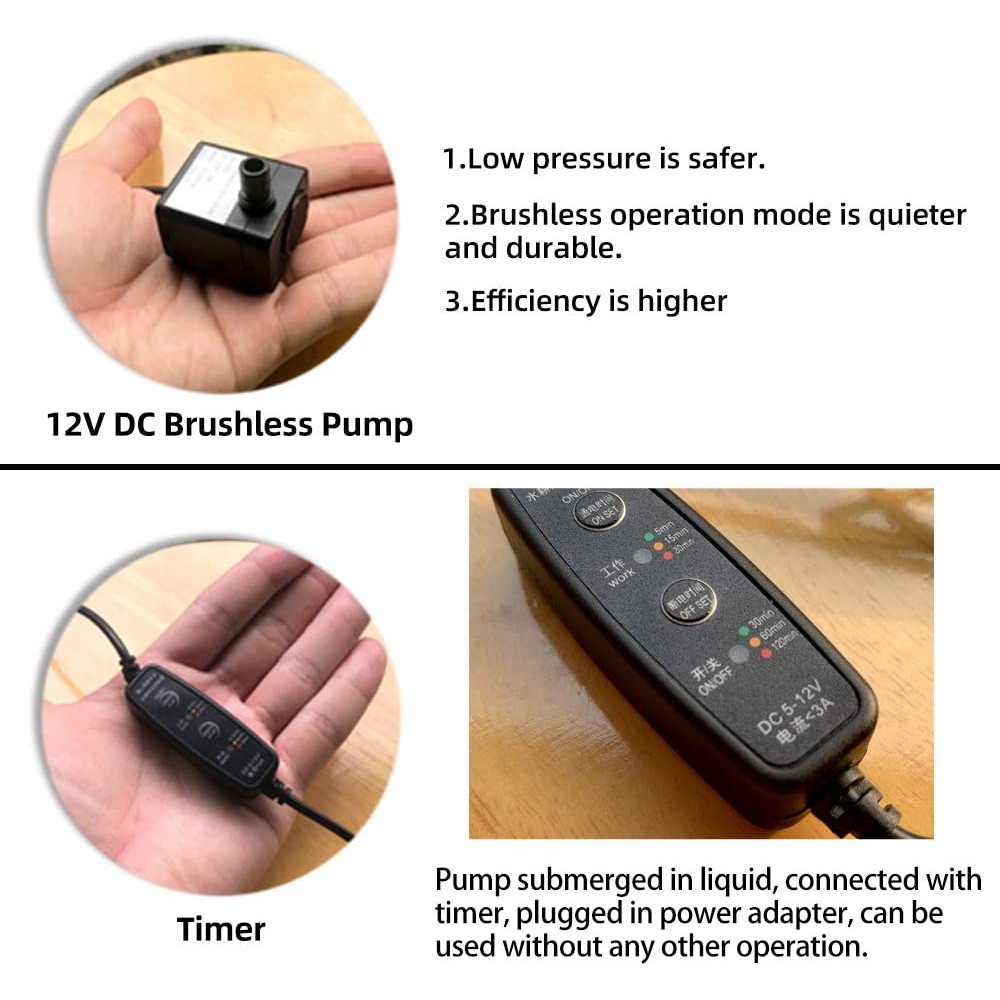
Credit: shopee.ph
Future Of Hydroponic Timers
The future of hydroponic pump timers looks promising with advanced features like day and night detection, cycle timer controller, and intelligent timed automatic watering devices. These innovative technologies not only improve efficiency but also contribute to water conservation and plant health in hydroponic systems.
Smart Timers And Automation
The future of hydroponic timers is all about smart technology and automation. With the advancement of technology, timers for hydroponic systems are becoming more intelligent and automated, making the process of growing plants even easier and more efficient.
Smart timers are designed to optimize the growth of plants by providing them with the right amount of light, water, and nutrients at the right time. These timers can be programmed to create customized schedules based on the specific needs of different plants.
Automation is another key feature of the future of hydroponic timers. With automated timers, growers can set up their systems to run on autopilot, allowing them to focus on other aspects of plant care. These timers can be connected to sensors that monitor environmental conditions and adjust the watering and lighting accordingly.
Eco-friendly Innovations
In addition to smart technology and automation, the future of hydroponic timers is also focused on eco-friendly innovations. Growers are increasingly concerned about reducing energy consumption and minimizing environmental impact.
One eco-friendly innovation in hydroponic timers is the use of energy-efficient components. These timers are designed to consume less electricity while still providing reliable and accurate timing for the hydroponic system.
Another eco-friendly feature is the integration of renewable energy sources. Some hydroponic timers are designed to be powered by solar panels or other renewable energy sources, reducing reliance on traditional electricity grids.
Furthermore, the future of hydroponic timers includes the development of timers made from sustainable materials. Manufacturers are exploring the use of recycled or biodegradable materials in the construction of timers to minimize waste and promote environmental sustainability.
With the combination of smart technology, automation, and eco-friendly innovations, the future of hydroponic timers looks promising. These advancements will not only make the process of growing plants easier and more efficient but also contribute to a more sustainable and environmentally friendly approach to agriculture.
Frequently Asked Questions
How Long Should I Run My Hydroponic Pump?
Run your hydroponic pump for 15-30 minutes every 2-3 hours to maintain optimal oxygen levels.
How Long Should Hydroponics Air Pump Run?
In general, hydroponics air pumps should run 24/7 to provide a constant supply of oxygen to the plant roots. However, the exact duration of the air pump’s operation may vary depending on the size of the system and the plants being grown.
It is recommended to use a timer to regulate the air pump’s operation and ensure consistent oxygen levels.
What Is The Watering Schedule For Hydroponics?
The watering schedule for hydroponics depends on the specific system and plants being grown. It is important to maintain consistent moisture levels, ensuring the roots are not too dry or waterlogged. Generally, a timer can be set to water the plants for a few minutes several times a day, allowing for proper nutrient absorption.
Regular monitoring and adjustment may be necessary based on environmental factors and plant needs.
How Often Should Your Hydroponic System Circulate Water?
For optimal growth, circulate water in your hydroponic system every 30 minutes to 4 hours. Adjust based on plant needs.
Conclusion
A hydroponic pump timer is a versatile and practical tool that can help reduce energy use and automate watering for your plants. With a wide range of uses and easy setup, it’s a good helper and money saver for both home and office.
Invest in a hydroponic pump timer for efficient and hassle-free plant care.