

Are you wondering if you can move your hydroponic plants to soil without harming them? It’s a question many gardeners ask when they want to switch from water-based growing to traditional soil.
You might worry about whether your plants will survive the change or how to do it the right way. You’ll discover simple, practical tips that will help you make the move smoothly. Keep reading to learn how to give your plants the best chance to thrive in soil, and avoid common mistakes that could set you back.
Your green garden dreams are closer than you think!
Reasons To Transfer Hydroponic Plants
Many gardeners wonder if they can move hydroponic plants to soil. There are good reasons to do this. Hydroponic systems grow plants in water, but soil offers different benefits. Understanding why to transfer hydroponic plants helps you decide the best method for your garden.
Changing from hydroponics to soil can improve plant health and growth. It also helps avoid some common problems found in water-based systems. Let’s explore the benefits of soil cultivation and the challenges of hydroponics.
Benefits Of Soil Cultivation
Soil contains natural nutrients and beneficial microbes. These help plants grow stronger and resist diseases. Soil also holds water well, giving roots steady moisture.
Plants in soil develop deeper roots and better support. Soil buffers temperature changes, protecting plants from stress. Moving hydroponic plants to soil can make them hardier and more resilient.
Common Challenges With Hydroponics
Hydroponic systems need careful monitoring of water and nutrients. Small mistakes can harm plants quickly. Water can become low in oxygen, stressing roots.
Pests and diseases spread fast in water systems. Some plants struggle to adapt to hydroponic conditions. Transferring plants to soil can reduce these risks and improve growth stability.

Credit: www.reddit.com
Signs Your Plant Is Ready
Knowing when to move hydroponic plants to soil is important. Plants need the right time to make the change safely. Signs show if your plant can handle soil life.
Watch for clear signals from roots and leaves. These signs help you avoid stress and damage to your plant. Healthy plants adapt better to soil conditions.
Root Development Indicators
Roots must be strong and well-formed. Look for thick, white roots that spread out evenly. Avoid plants with thin, brown, or mushy roots.
Healthy roots fill the growing medium. They hold the plant firmly and absorb nutrients well. Roots that reach 2 to 3 inches show good growth.
Plant Health Assessment
Check leaves for vibrant green color and firmness. Wilted or yellow leaves signal weakness. New leaves and steady growth show plant strength.
Plants should look lively, not tired or droopy. Sturdy stems support leaves without bending. A healthy plant stands ready for soil transfer.
Preparing Plants For Transition
Moving hydroponic plants to soil takes careful preparation. Plants need time to adjust to the new environment. Preparing plants well helps them grow strong in soil. Follow simple steps to make the transition smooth.
Cleaning And Trimming Roots
Remove plants gently from the hydroponic system. Rinse roots with clean water to wash away nutrient solution. Trim any dead or damaged roots carefully. Healthy roots help plants absorb nutrients in soil. Avoid cutting too much to prevent stress.
Acclimating To Soil Conditions
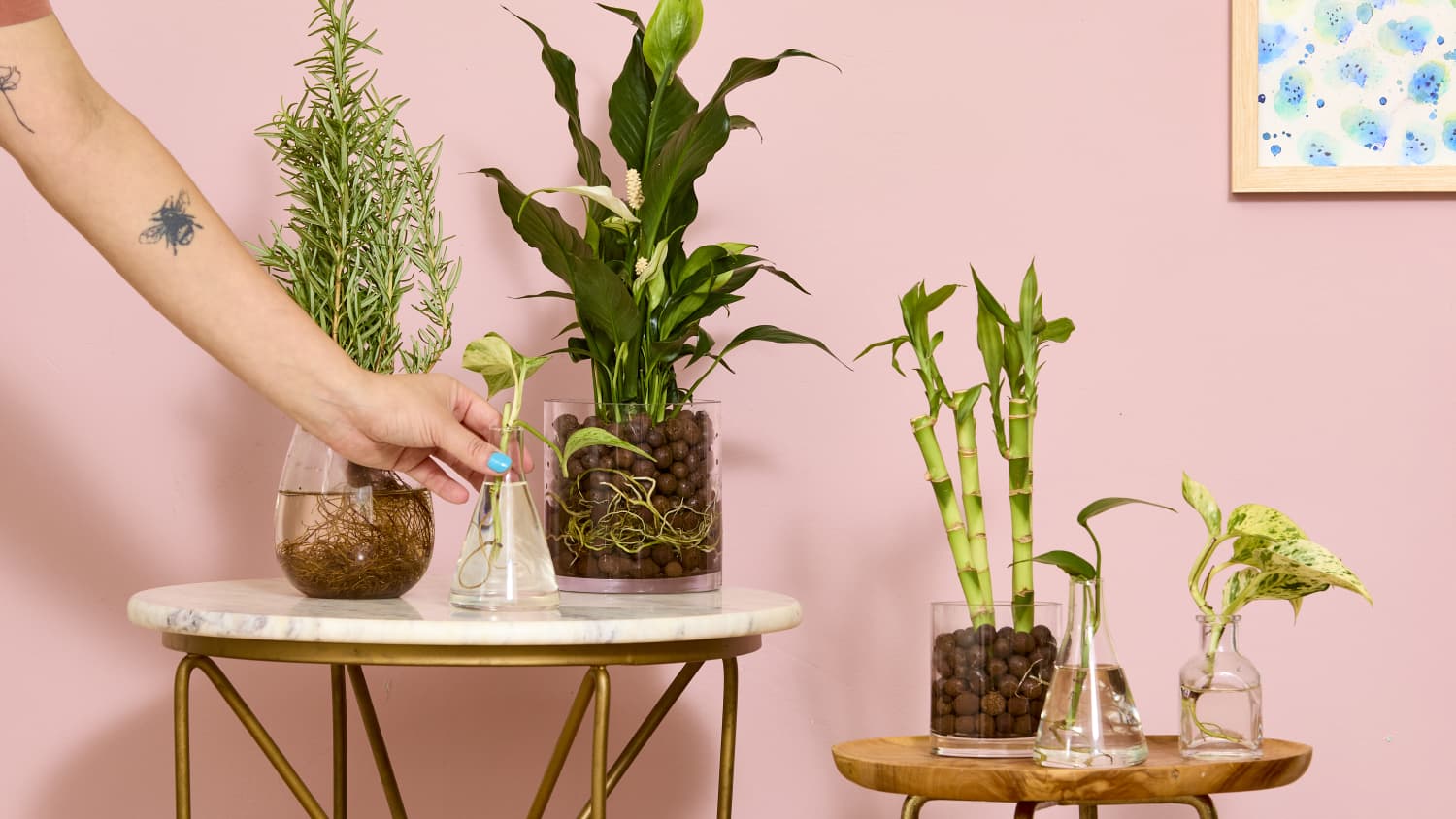
Start by placing plants in light, well-draining soil. Keep soil moist but not soaked to avoid root rot. Gradually expose plants to natural light outside. Let plants adapt to soil and air slowly. This reduces shock and improves survival chances.
Credit: www.apartmenttherapy.com
Choosing The Right Soil
Choosing the right soil is key when moving hydroponic plants to soil. The soil must support the plant’s roots and provide enough nutrients. Good soil helps plants adapt and grow strong in their new environment.
Not all soils work well for transplanting hydroponic plants. Some soils hold too much water, while others lack nutrients. Picking the right type helps prevent root problems and supports healthy growth.
Soil Types Suitable For Transplants
Loamy soil is a top choice. It holds water and drains well at the same time. This balance helps roots get air and moisture.
Sandy soil drains quickly. It suits plants that don’t like wet roots. Mixing sand with organic matter improves its nutrient content.
Potting mixes designed for transplants work well too. They often include peat moss, perlite, and compost. These mixes provide good drainage and nutrients.
Improving Soil Drainage And Nutrients
Drainage matters a lot. Poor drainage can cause root rot. Add perlite or coarse sand to improve soil flow.
Adding organic matter boosts nutrients. Compost or aged manure feeds the plants naturally. This helps hydroponic plants adjust smoothly to soil.
Check soil pH before planting. Most plants prefer a pH between 6.0 and 7.0. Adjust with lime or sulfur if needed.
Step-by-step Transplant Process
Transferring plants from hydroponics to soil needs careful steps. This process helps plants adjust to new conditions. Follow these simple steps to keep your plants healthy and growing strong.
Removing Plants From Hydroponic Setup
Start by gently loosening the plant from its hydroponic holder. Handle the roots with care to avoid damage. Rinse the roots with clean water to remove nutrient solution. Check the roots for any signs of rot or disease. Trim any dead or damaged roots using clean scissors. Let the roots dry slightly before planting in soil.
Planting Techniques For Success
Choose good soil with nutrients and good drainage. Make a hole big enough for the roots without bending them. Place the plant gently into the hole and cover roots with soil. Press the soil lightly to remove air pockets. Water the plant well but avoid overwatering. Keep the plant in a shaded area for a few days to reduce stress.
Post-transfer Care Tips
After moving hydroponic plants to soil, proper care is key to their survival. Plants face new conditions and need time to adjust. Post-transfer care helps reduce stress and supports healthy growth. This section shares simple tips to care for your plants after the move.
Watering And Humidity Control
Water plants gently to avoid shock. Keep the soil moist but not soggy. Hydroponic plants are used to constant moisture, so sudden dryness harms them. Mist leaves to raise humidity around the plant. Higher humidity helps plants breathe and stay healthy. Avoid overwatering, which can cause root rot. Check soil moisture daily to keep balance.
Monitoring For Stress And Pests
Watch plants closely for signs of stress. Wilting, yellow leaves, or slow growth show stress. Respond quickly by adjusting water and light. Check leaves and stems for pests like aphids or spider mites. Early detection stops infestations from spreading. Use natural pest control methods to protect plants. Healthy plants resist pests better.
Common Mistakes To Avoid
Moving hydroponic plants to soil can be tricky. Many gardeners make mistakes that harm their plants. Avoiding common errors helps plants grow strong and healthy. Focus on water and nutrients to keep your plants happy.
Overwatering And Underwatering
Water is key for plants changing from water to soil. Too much water drowns roots and stops air from reaching them. Too little water makes roots dry and weak. Check soil moisture often. Water only when the top inch feels dry. Use pots with good drainage to prevent water build-up.
Ignoring Nutrient Needs
Hydroponic plants get nutrients from water. Soil plants need nutrients from the soil. Soil may not have enough nutrients at first. Add balanced fertilizer to help plants adjust. Watch for yellow leaves or slow growth. These signs mean plants need more nutrients. Feed plants regularly but do not overfeed.
Expert Advice For Long-term Growth
Moving hydroponic plants to soil needs care and knowledge for long-term success. Plants grow differently in soil than in water with nutrients. Understanding how to support their new environment helps them thrive and stay healthy.
Experts suggest changes in feeding, light, and temperature. These changes prepare plants for soil life and reduce stress during the move. Follow simple steps to keep your plants strong and growing well.
Adjusting Fertilizer Regimens
Hydroponic plants get nutrients directly from water. Soil plants absorb nutrients through roots and soil. Change the fertilizer to one made for soil growth. Use a balanced fertilizer with nitrogen, phosphorus, and potassium.
Start with less fertilizer to avoid burning roots. Increase slowly as plants adjust to soil. Check soil moisture to keep nutrients available. Avoid overfeeding, which can harm plant roots.
Optimizing Light And Temperature
Hydroponic systems often use bright, controlled light. Soil plants need similar light but may need gradual change. Move plants to light slowly to avoid shock. Provide at least 6 hours of sunlight daily.
Temperature affects plant growth and nutrient absorption. Keep soil temperature steady between 65-75°F (18-24°C). Protect plants from cold drafts and heat spikes. Stable temperatures help roots grow deeper and stronger.

Credit: www.youtube.com
Frequently Asked Questions
Can Hydroponic Plants Adapt Well To Soil?
Yes, hydroponic plants can adapt to soil with gradual transition. Start by rinsing roots, then plant in nutrient-rich soil. Provide consistent moisture and avoid overwatering. Adaptation may take 1-2 weeks, depending on plant type and environmental conditions.
How To Transfer Hydroponic Plants To Soil Successfully?
To transfer hydroponic plants, gently remove them from water. Rinse roots to remove residue, then plant in well-draining soil. Keep soil moist initially and place plants in indirect sunlight. Gradually increase light exposure to help roots adjust and grow.
When Is The Best Time To Move Hydroponic Plants To Soil?
The best time is during active growth phases, usually spring or early summer. Avoid transplanting during extreme heat or cold. Healthy, strong plants adapt better. Moving during optimal conditions ensures faster root establishment and less transplant shock.
Do Hydroponic Plants Need Special Soil For Transplanting?
Use nutrient-rich, well-draining soil when transplanting hydroponic plants. A mix with compost, perlite, or vermiculite supports root health. Avoid heavy, compacted soils that retain excess water. Proper soil choice promotes oxygen flow and nutrient absorption for smooth adaptation.
Conclusion
Moving hydroponic plants to soil takes care and patience. Plants need time to adjust to new roots and environment. Start slowly by mixing soil with water to keep roots moist. Watch plants closely for signs of stress or growth. With steady care, plants can thrive in soil too.
This method lets you enjoy the best of both worlds. Try it step by step, and see how your plants grow. Gardening can be simple with the right approach. Keep learning and experimenting for healthy, happy plants.