

Are you looking to grow healthy plants indoors but struggle with getting enough natural light? A hydroponic light system might be exactly what you need.
Imagine having the power to control your plants’ growth, boost their health, and harvest fresh greens all year round—right from your home. You’ll discover how the right lighting can transform your hydroponic setup, making your plants thrive like never before.
Keep reading, and you’ll learn the secrets to choosing and using the perfect light system to maximize your garden’s potential.

Credit: www.spider-farmer.com
Benefits Of Hydroponic Lighting
Hydroponic lighting plays a key role in indoor plant growing. It gives plants the right light they need to grow strong and healthy. These lights help control the growth environment better than natural sunlight alone. Using the right hydroponic light system improves plant health and yield.
Choosing the best lighting can make a big difference. It affects how fast plants grow and how much food they produce. Many growers see benefits beyond just better plants. These advantages include saving energy and growing plants all year.
Enhanced Plant Growth
Hydroponic lights provide consistent and full-spectrum light. This helps plants perform photosynthesis more efficiently. Plants grow faster and develop stronger stems and leaves. These lights can be adjusted to match plant needs at each stage. This precision leads to healthier and bigger plants.
Energy Efficiency
Modern hydroponic lights use less electricity than traditional bulbs. LED lights are especially efficient and last a long time. They produce less heat, reducing cooling costs. Lower energy use means less expense and smaller environmental impact. This makes hydroponic growing more affordable and green.
Year-round Cultivation
Hydroponic lighting allows growing plants in any season. It removes dependence on outdoor weather and sunlight. Growers can harvest fresh produce all year without interruption. This steady supply benefits both home gardeners and commercial farms. Plants stay healthy with controlled light cycles every day.

Credit: www.edengreen.com
Types Of Hydroponic Lights
Hydroponic light systems play a key role in growing plants without soil. Different types of lights suit different plants and growth stages. Choosing the right light helps plants grow strong and healthy.
Here are the main types of hydroponic lights used by growers.
Fluorescent Lights
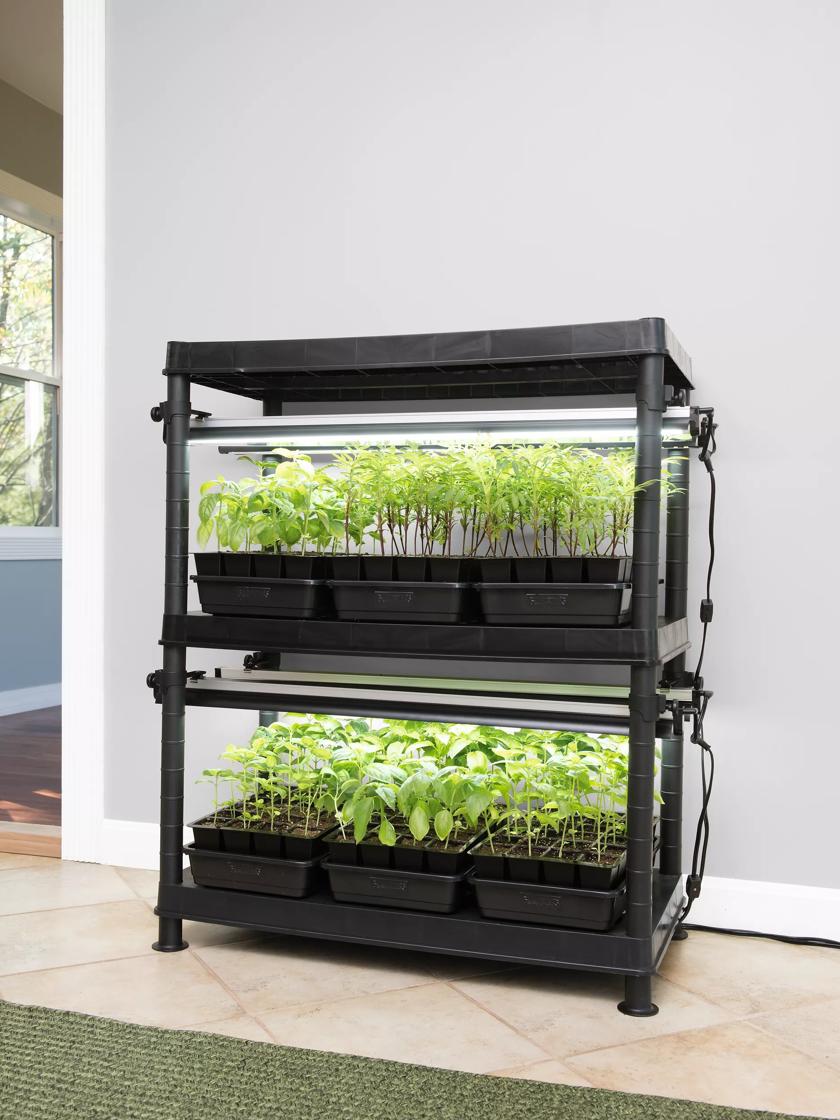
Fluorescent lights are common for small hydroponic setups. They give off cool light and do not heat the plants. These lights are energy efficient and cost less. They work well for seedlings and leafy greens. Their light spectrum supports early plant growth.
Led Grow Lights
LED grow lights are popular among hydroponic growers. They use less energy and last longer than other lights. LEDs offer full-spectrum light, which helps plants at all growth stages. They produce less heat, reducing the risk of burning plants. LEDs are easy to adjust for different plant needs.
High-intensity Discharge Lamps
High-Intensity Discharge (HID) lamps provide strong light for large hydroponic farms. These include Metal Halide (MH) and High-Pressure Sodium (HPS) lamps. MH lamps support vegetative growth with blue light. HPS lamps help flowering and fruit production with red light. HID lamps consume more power and produce heat but deliver powerful light intensity.
Choosing The Right Light Spectrum
Choosing the right light spectrum is key for successful hydroponic growing. Plants need different types of light during their growth stages. Using the correct spectrum helps plants grow healthy and strong. It also improves yield and quality. Understanding blue, red, and full spectrum lights helps you pick the best option.
Blue Light For Vegetative Growth
Blue light helps plants grow leaves and stems. It is important during the early stages. This light keeps plants compact and sturdy. Blue light encourages photosynthesis and chlorophyll production. It helps plants use nutrients efficiently. Use blue light to boost healthy leaf growth.
Red Light For Flowering
Red light supports flowering and fruiting. It helps plants develop buds and flowers. Red light increases the size and number of flowers. It also improves fruit quality and taste. Using red light during flowering ensures a good harvest. It signals plants to move from growth to bloom.
Full Spectrum Advantages
Full spectrum light mimics natural sunlight. It includes blue, red, and other colors. This light supports all growth stages evenly. Plants grow well under full spectrum lights. It reduces the need to switch lights often. Full spectrum lights create healthy plants with good yields.
Light Intensity And Duration
Light intensity and duration are key factors in hydroponic growing. Plants need the right amount of light to grow strong and healthy. Too little light slows growth. Too much light can harm plants. The timing of light also affects plant development. Understanding how to set light levels and schedules helps improve your hydroponic system.
Optimal Light Levels
Each plant species needs a certain light intensity for good growth. Light is measured in lumens or micromoles per square meter per second (µmol/m²/s). Most leafy greens thrive at 150-300 µmol/m²/s. Fruiting plants like tomatoes need higher levels, about 400-600 µmol/m²/s. Use a light meter to check your system. Adjust the distance between lights and plants to get the right intensity. Keep lights clean for best performance.
Photoperiod Settings
Photoperiod means how long plants get light each day. Most plants grow well with 12 to 16 hours of light daily. Some plants need longer light periods to flower or fruit. Others need shorter light times to rest. Set timers to control light hours. Consistent light schedules help plants stay healthy. Sudden changes in light duration can stress plants.
Adjusting For Plant Stages
Plants need different light at each growth stage. Seedlings need gentle light to avoid damage. Young plants grow well with moderate light intensity. Mature plants need stronger light to produce flowers and fruits. Change light duration as plants develop. Shorter light times work for flowering and fruiting stages. Adjust light intensity slowly to prevent shock. Tailor your light system for each growth phase.
Positioning Lights For Maximum Effect
Proper light positioning is key to healthy hydroponic plants. It helps plants grow strong and produce more. Adjusting light distance, angle, and intensity ensures plants get enough energy. This section explains how to place your lights for the best results.
Distance From Plants
Keep lights close but not too close. Too far weakens light and slows growth. Too near can cause heat stress and damage leaves. Measure distance based on light type and plant needs. Usually, 12 to 24 inches works well.
Angle And Coverage
Set lights at an angle to cover all plants evenly. Straight light can leave shadows and uneven growth. Use reflectors or multiple lights for better coverage. Rotate plants regularly to ensure all sides get light.
Avoiding Light Burn
Light burn shows as yellow or brown spots on leaves. It happens when lights are too close or too strong. Watch plants daily for signs of stress. Adjust distance and intensity to keep plants safe and healthy.
Energy Management Tips
Managing energy well is key to a successful hydroponic light system. It saves money and helps plants grow strong. Smart energy use means less waste and lower bills. Here are easy tips to manage energy effectively.
Using Timers And Sensors
Timers control light duration precisely. They turn lights on and off at set times. This stops lights from running too long. Sensors detect natural light and adjust artificial lights. Plants get the right light without extra power use. This reduces energy waste.
Balancing Light And Power Costs
Choose lights that use less power but give enough brightness. LED lights are a good choice. They use less energy and last longer. Adjust light levels to match plant needs. Avoid too much light that wastes energy. Monitor power bills to find cost patterns.
Maintenance For Efficiency
Keep lights and equipment clean. Dust and dirt lower light output. Check wiring and connections regularly for safety. Replace old bulbs with energy-efficient models. Well-maintained systems run smoothly and use less power. This keeps energy costs down.
Troubleshooting Common Lighting Issues
Lighting plays a vital role in hydroponic systems. Proper light helps plants grow strong and healthy. Problems with light can cause poor growth or plant stress. Troubleshooting lighting issues quickly ensures your plants thrive. This section covers common lighting problems and simple solutions.
Identifying Light Stress
Light stress happens when plants get too much or too little light. Leaves may turn yellow or brown. Plants might wilt or stop growing. Check the light intensity and duration. Adjust the distance between plants and the light source. Use a light meter to measure brightness. Ensure lights match plant needs for each growth stage.
Dealing With Uneven Growth
Uneven growth shows when some plants grow faster than others. This often means light is not spread evenly. Move lights to cover all plants. Use reflectors to spread light better. Rotate plants regularly to give equal light exposure. Make sure no shadows block the light. Good light distribution helps plants grow uniformly.
Replacing And Upgrading Lights
Lights lose strength over time and need replacing. Check manufacturer guidelines for lifespan. Replace bulbs or fixtures when brightness fades. Consider upgrading to LED lights for better energy use. LEDs provide strong, focused light and last longer. Proper light upkeep keeps your hydroponic system efficient and productive.
Credit: stxaviersschool.com
Frequently Asked Questions
What Is A Hydroponic Light System?
A hydroponic light system provides artificial light to plants grown without soil. It supports photosynthesis indoors or in low-light areas. These systems use LED or fluorescent lights to optimize plant growth and yield efficiently.
How Does Hydroponic Lighting Affect Plant Growth?
Hydroponic lighting controls light intensity and duration, boosting photosynthesis. Proper lighting ensures healthy, faster plant growth and higher yields. It helps plants develop strong stems, leaves, and flowers in soil-free environments.
Which Light Type Is Best For Hydroponics?
LED lights are best for hydroponics due to energy efficiency and spectrum control. They emit less heat, reducing water evaporation and plant stress. LEDs also last longer and can be customized for different growth stages.
How Many Hours Should Hydroponic Lights Run Daily?
Hydroponic lights typically run 12 to 18 hours daily, depending on plant type. This mimics natural sunlight cycles to maximize growth. Adjusting light duration helps optimize photosynthesis and prevents plant stress or energy waste.
Conclusion
Choosing the right hydroponic light system helps plants grow strong. Good lighting saves energy and boosts plant health. Different plants need different light types and times. Adjust lights to fit your space and goals. Simple care keeps your system working well.
Enjoy fresh, healthy plants all year round. Hydroponic lighting makes indoor gardening easy and fun. Try it and see your garden thrive!